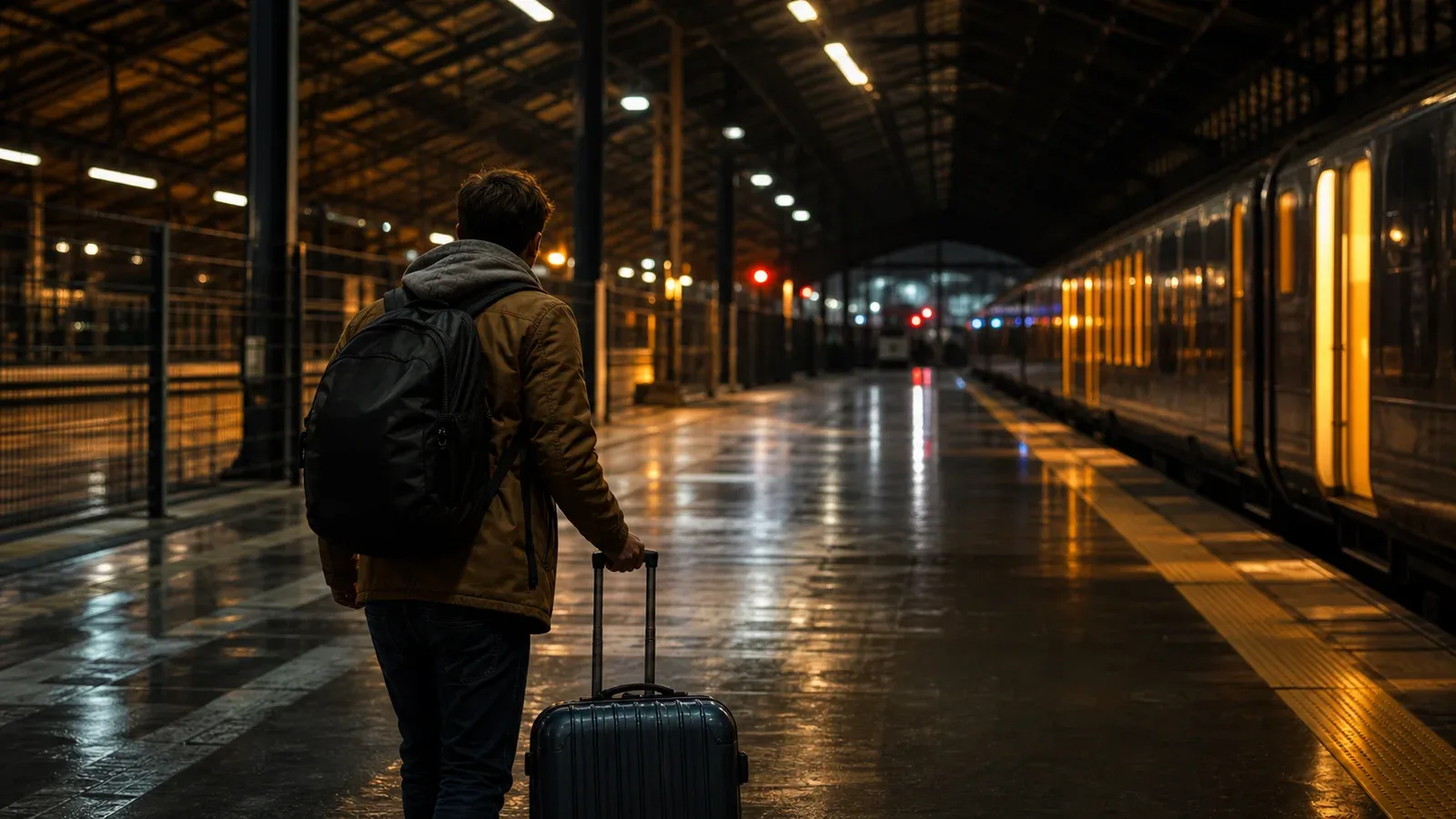
Planning a trip to Do? This guide cuts through the noise with practical advice for first-time visitors.
Lonely Planet TripAdvisor Rome2Rio transfer planner airport rail linkThis page is the broad city-planning parent for Rome. Use it when you are asking how to structure 3 to 5 days, where to stay, how walking, metro, and buses actually fit together, and how to keep Rome feeling rich instead of exhausting. It is the main Rome guide in this cluster.
Rome gets much easier when you stop treating every famous sight like a separate mission. the destination works best as compact chapters: one ancient-Rome block, one Vatican block, one historic-center wandering block, and one real food-and-rest chapter each day.
Rome quick-start: the plan that makes it feel easy
- Best trip length: 4 days is ideal. 3 days works if you keep each day focused and pre-book the big sights.
- Best bases: Centro Storico for first-timers, Trastevere for evenings and food, Monti for style and Colosseum access, Prati for a calmer Vatican-side base.
- Pacing rule: one major ticketed chapter in the morning, one easier wandering or food chapter later.
- Transit reality: Rome is walkable in pieces, not as one giant all-day march. Use metro and buses strategically to avoid dead-leg backtracking.
Quick answer
Rome is a compact, walkable city where you can see the main sights in two to three days without rushing. Stay in the central area near the main attractions for the best experience. Use public transport for longer trips to outlying neighborhoods or the airport. Plan your days around two to three fixed points and let everything else fill in naturally.
Where to stay in Rome: pick the base that fits your visit
| your visit type | Best base | Why it works |
|---|---|---|
| First time, want the easiest classic Rome version | Centro Storico | Walkable icons, strongest atmosphere, easiest postcard-Rome rhythm |
| Food, evenings, lively local mood | Trastevere | Best dinner rhythm, strong night feel, memorable local streets |
| Stylish base near ancient Rome | Monti | Good atmosphere, easier Colosseum chapter, compact feel |
| Calmer base near the Vatican | Prati | Less hectic, cleaner local rhythm, easier Vatican morning |
Centro Storico puts you between the Pantheon, Piazza Navona, and Trevi Fountain. Best for first-timers who want to step out of their hotel and into the postcard. Drawback: cobblestones with luggage are real, and restaurants near the big piazzas charge a tourist premium.
Trastevere is quieter, more local, and full of wine bars. The walk to Vatican or Colosseum is 25-30 minutes, which is fine for able travelers but matters for families or anyone with mobility limits.
Monti sits between Colosseum and Termini. Trendier and less crowded than Centro Storico, with good metro access. Best for travelers who want nightlife options and shorter walks to the ancient sites.
Near Termini works for early train departures or tight budgets. The area is practical but scruffier. Do not stay south of the station after dark if you are alone or traveling light on street smarts.
Arrival made easy: the first 90 minutes in Rome
- Before leaving the station or airport transfer: screenshot your hotel name, address, and nearest metro stop.
- Bathroom and water: do it before the hotel transfer continues.
- Keep the first move simple: one transfer chain only. Do not improvise headline sightseeing on arrival day.
- After check-in: do one short neighborhood loop, one easy meal, then stop.
Common mistake: trying to force Trevi Fountain, the Pantheon, and Trastevere dinner straight after arrival with bags and low energy.
Getting around Rome: walking, metro, and bus without confusion
The winning Rome pattern is simple: walk the dense historic parts properly, then use metro or buses only to bridge the dead zones between them.
- For ticketed sights: pre-book first, then build transport around the entry time.
- For metro moves: use it to skip distance, not to avoid every walk.
- For buses: use them when they clearly save a long detour.
- When tired: stop optimizing and choose the cleanest next move back to your base.
Common transit mistake:
Treating Rome like one giant walking city. It is walkable in beautiful chunks, but the chunks do not always connect well when you are tired.
The metro has only three lines (A, B, and C), which makes navigation simple. Most tourist sites are on A or B. Buy tickets at tabacchi shops or metro machines before you ride. Validate in the yellow machine at the gate entrance. The ticket is valid for 100 minutes including one metro ride and unlimited buses.
Taxis are white with a official crest on the door. Use the Free Now app (formerly myTaxi) instead of hailing on the street. Official taxi ranks at Termini, Piazza Venezia, and major piazzas work fine but expect 3-5 euro surcharges for luggage, night rides, and Sundays.
What to do in Rome: the essentials without overstuffing your day
Rome works best when each day has one clear identity.
Unique Rome rhythm:
- Morning: major ticketed sight before lines and heat build.
- Midday: lunch and a slower reset.
- Late afternoon: one wandering chapter through squares, churches, or neighborhood streets.
- Evening: one food chapter, not a city-wide mission.
High-payoff first-timer chapters:
- Ancient Rome day: Colosseum, Roman Forum, one clear old-stone history block.
- Vatican day: keep it mostly Vatican, not Vatican plus half the destination.
- Historic-center wandering day: Pantheon, fountains, squares, and food rhythm.
- Trastevere evening: best as a dinner-and-stroll chapter, not a rushed add-on.
A calm 3-day Rome itinerary that avoids burnout
Day 1: ancient Rome + easy evening
- Morning: Colosseum and Forum block.
- Midday: lunch and real sit-down reset.
- Late afternoon: one short surrounding neighborhood wander.
- Evening: easy dinner near your base.
Day 2: Vatican block + calmer finish
- Morning: Vatican Museums and St. Peter’s logic in one focused chapter.
- Midday: proper break before you get museum-tired and indecisive.
- Evening: one easier dinner chapter, not a giant cross-city plan.
Day 3: historic center + food chapter
- Morning: Pantheon and central Rome wandering.
- Afternoon: one quieter neighborhood or church block.
- Evening: Trastevere or your favorite final dinner zone.
Morning tip: Book Colosseum tickets online at least two weeks ahead. The official site releases slots 30 days out and they sell fast for spring and summer. Skip the line is worth it in July and August.
Midday reset: Between 1pm and 3pm, most sites are packed and the heat peaks. Use this window for lunch at a trattoria away from the main piazza, gelato, or a rest at your hotel. Romans do not rush the afternoon.
Evening pacing: Dinner starts at 8pm at the earliest, 9pm is normal for locals. Do not plan a 6pm dinner expectation. Use early evening for a walk to the Spanish Steps or Trastevere aperitivo.
| Area | Walk to sights | Nightlife | Best for |
|---|---|---|---|
| City Center | Excellent | Good | First-timers, sightseeing |
| Near Station | Good | Moderate | Early trains, budget |
| Trendy District | Moderate | Good | Local feel, food scene |
| Quiet Neighborhood | Good | Quiet | Families, relaxed stay |
How many days do I need in Rome?
Four days is ideal, but three works well if you focus each day around one major chapter.
Where should first-timers stay?
Centro Storico is the easiest first-time choice. Trastevere and Monti are strong alternatives if their mood fits your visit better.
Is Rome walkable?
Yes, but in chunks. Walking is wonderful inside each chapter, not always between every chapter.
Which Rome page should I open next?
Open the companion neighborhood notes page only if you want extra district detail. Otherwise this page should stay your main Rome planning page.
Rome first-day survival logic
Rome is better when you stop trying to win it. On arrival day, pick one walkable area, one meal and one early night. Do not land, check in near Termini, and then attempt the Vatican, Colosseum and Trastevere because a map made them look friendly.
The classic mistake is underestimating cobblestones, heat and queues. If you have bags or tired kids, keep the first hotel-to-sight route simple. Rome punishes optimism less dramatically than airports do, but it still keeps receipts.
Where to stay if Rome is your first Italy stop
For a first Rome trip, choose the hotel area by arrival and walking plan. Termini is practical for trains but not romantic on every block. Centro Storico is atmospheric but expensive. Monti works well for restaurants and Colosseum access. Prati is calmer for Vatican days.
The best base is the one that reduces your worst daily walk. If you know you hate long evening walks, do not book a bargain room far from dinner areas. Rome has enough drama without your hotel adding a commute.
Related guides:
Related guides:
Where to stay? Check Holiday Inn Rome availability for the best rates and locations.
The best travel experiences in Rome happen when you slow down. Instead of rushing between five attractions in a day, pick two and spend quality time at each. You will remember a relaxed afternoon at a local market far longer than a rushed visit to a museum.
Carry a small notebook or use your phone to jot down the names of restaurants, streets, and neighborhoods that locals mention. The best recommendations come from conversations, not from guidebooks. Writing them down means you will actually remember them tomorrow.
Local tourism offices sometimes offer free walking tours, discount cards, and practical advice that is better than any online source. Visit the office on your first day and ask what is happening that week. Events, markets, and festivals that are not in guidebooks often show up here.
Many attractions offer discounted tickets in the late afternoon or on specific days of the week. Check the official website for reduced hours and special offers. A museum that costs full price at 10 AM may be half-price after 4 PM.
First-Timer Mistakes in Rome
The most common first-timer mistake is trying to see too much in one day. Rome rewards slow exploration. Plan your days around neighborhoods, not individual attractions. This reduces transit time and lets you discover places that guidebooks miss.
Another mistake is eating near major tourist sights. Restaurants within 200 meters of top attractions are usually overpriced and underwhelming. Walk two blocks in any direction for better food at half the price.
Sam's practical verdict
Sam's practical verdict: The best transfer choice depends on your bags, your arrival time, and your hotel location. Do not choose based on price alone. Choose based on the moment that is most fragile: heavy bags, late arrival, tired children, or a hotel that is far from public transport.