Updated: March 2026
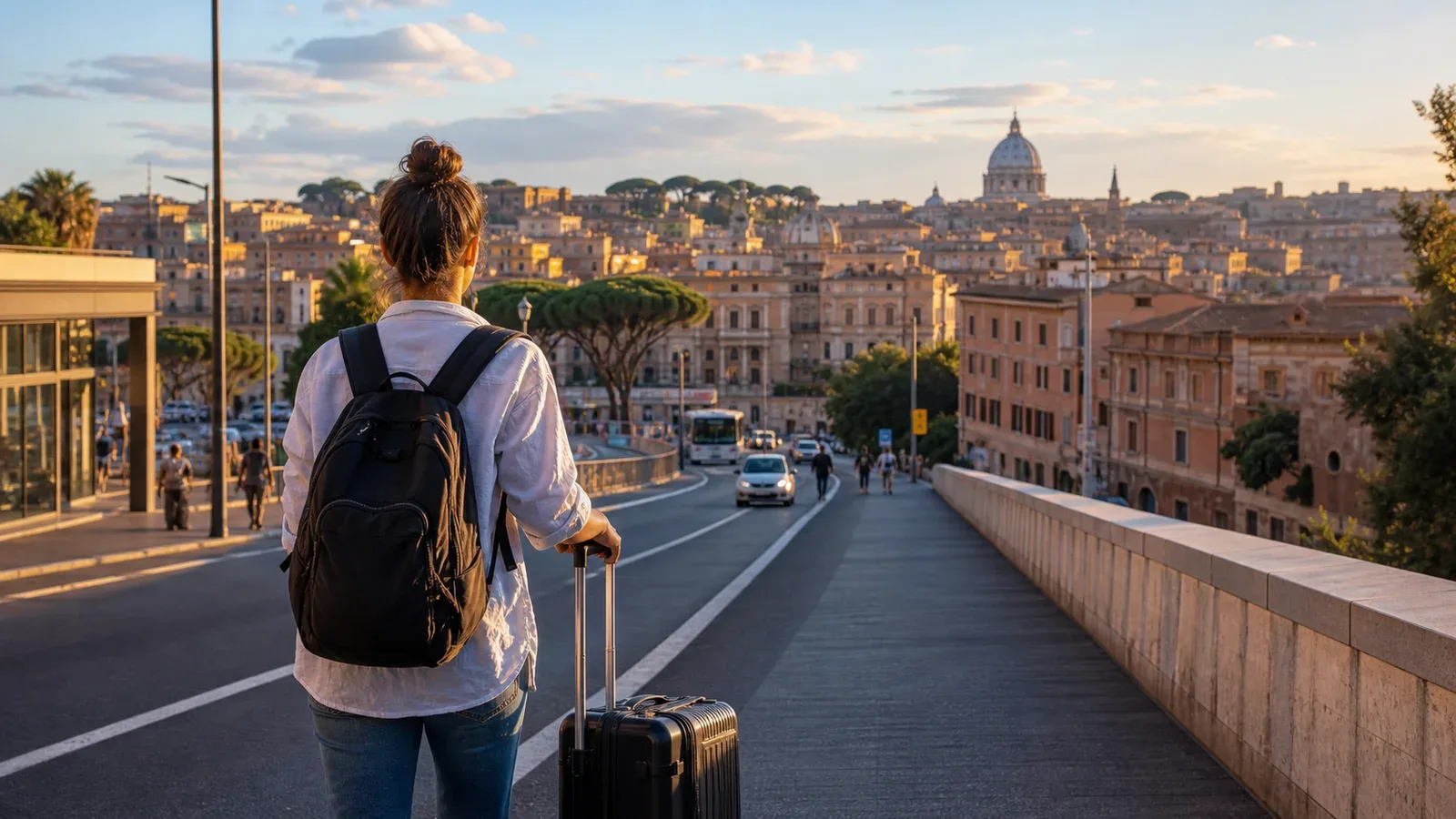
If you want the fastest useful answer: Paris works best when you stop trying to “cover Paris” and start planning by neighborhood + one anchor. One major sight or museum, one area to wander, one good meal, and enough space for the city to feel elegant instead of exhausting.
This guide is the main Paris planning hub. It helps you decide where to stay, what to do first, how to move around without friction, and how to avoid the arrival-day mistakes that make Paris feel harder than it is.
Planning Paris as part of a wider France trip? Start with , , France Itinerary 7 Days: Paris Only or Paris + Strasbourg?, or France Itinerary 10 Days: Paris + Strasbourg or Paris + Nice? before you lock the rest of the route.
Best planning rule: one major sight or museum per day, then one neighborhood-led block.
Best first-night rule: do not put your hardest museum or longest cross-city route on arrival day.
Biggest mistake: treating Paris like a checklist instead of a city of neighborhoods.
Day 2: your biggest museum or classic sights loop.
Day 3: a neighborhood-led day with strong food stops.
Day 4: second anchor, market day, or a calm repeat of what you liked most.
What first-timers should know
- Paris rewards rhythm, not speed. A calmer plan almost always feels richer.
- The city is compact, but not frictionless. Station changes, stairs, and crowd-heavy interchanges can drain your day fast.
- Meals matter. A rushed day with bad timing feels much worse than a slightly shorter plan with a proper lunch and one beautiful evening walk.
- Arrival day should stay light. The first win is orientation, not accomplishment.
Where to stay
If you want the full neighborhood-by-neighborhood breakdown, start here: Where to Stay in Paris (2026).
Fast version:
- 1st, 2nd, 6th: best for classic first trips
- 9th: best value + strong connections
- Marais and 11th: best for food and nightlife
- 7th and 15th: best for quiet sleep and family pace
- Montmartre: best for atmosphere, but trickier with luggage and late arrival
What is really worth doing
High-value classics for most first trips:
- Louvre or Musée d’Orsay, but not both on the same day
- Seine walk at golden hour
- One Left Bank block and one Right Bank block
- One neighborhood-led evening, not only landmarks
Often overdone: stacking too many major ticketed attractions back to back.
Food and dining rhythm
Paris works best when you stop treating meals as filler between sights.
- Lunch: a real reset, not just a quick snack while standing.
- Dinner: often later than visitors expect.
- Best memory rule: many people remember one slow dinner and one excellent bakery stop more than their fifth monument photo.
A good Paris day often includes one bakery or café stop, one real lunch or early dinner anchor, and one flexible evening drink or dessert stop.
Getting around
The easiest Paris rhythm is usually metro first, walking second. Use public transport for the longer cross-city hop, then explore one area on foot.
Do not assume airport fares work the same way as normal city trips. If tickets are the part you are worried about, use the dedicated tickets guide.
Practical rule: avoid too many line changes in one tired day. One strong area on foot usually beats three rushed zones connected by constant transfers.
When to visit
- Spring: strong all-around season for first trips
- Summer: longer days and bigger crowds
- Autumn: excellent pace, strong atmosphere
- Winter: shorter daylight, but lower pressure and beautiful evenings
Day trips
Paris can support a day trip, but do not force one into a short first visit if you are already trying to see too much.
- Versailles: best-known option, but make it your main anchor that day
- Giverny: seasonal and gentler
- Champagne: better for slower or return trips
Mistakes first-timers make
- Arrival-day overplanning: the most common error
- Too many major sights in one day: Paris gets better when you leave margin
- Ignoring neighborhood logic: the city is easier when you cluster by area
- Choosing the wrong hotel for your actual trip style: atmosphere and logistics both matter
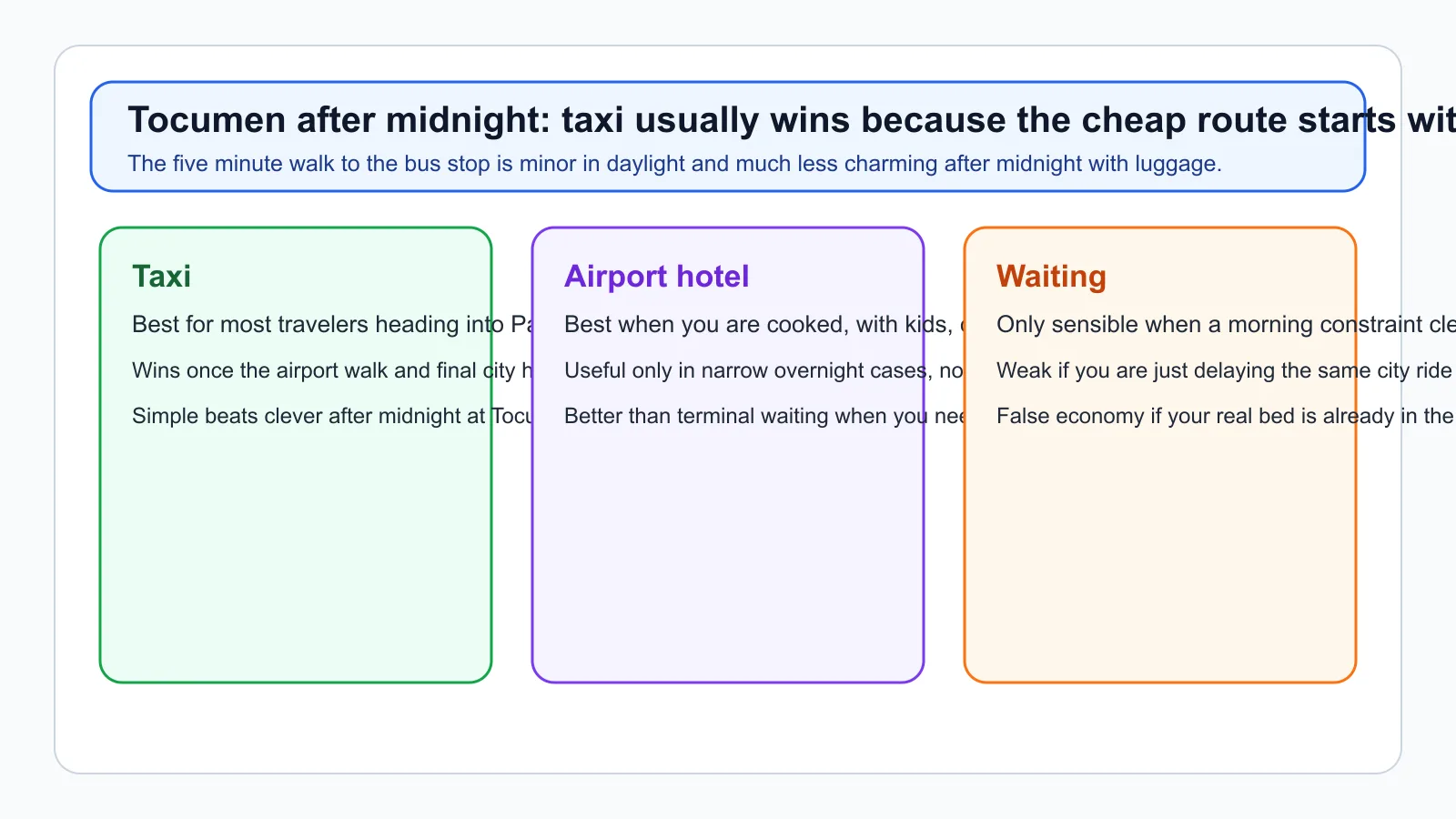
- Forgetting the last mile: the final stretch to your hotel shapes your whole arrival mood
Paris rewards travelers who plan ahead but leave room for spontaneous discoveries. The best experiences often come from wandering side streets, trying local food at neighborhood restaurants, and talking to locals about their recommendations. A good city guide gives you the framework, but the real trip is what you make of it.
FAQs
How many days do you need in Paris?
Three days is workable for a first overview. Four days is the sweet spot for most people, and five days gives Paris the pace it deserves.
What is the best area to stay in Paris for first-timers?
Most first-timers do best in the 1st, 2nd, 6th, or 9th because they balance location and ease.
What is the easiest way to get from the airport to a Paris hotel?
Start with the airport hub, then choose the arrival stop that keeps the last mile simple for your neighborhood.
How do I keep Paris from feeling rushed?
Plan one anchor per day, stay in one area for a longer stretch, and let meals and walking be part of the trip, not just breaks between sights.
What should I do on arrival day in Paris?
Keep it light: hotel, one easy walk, one easy meal, and an early stop before you burn energy you will need on day two.
Related guides for Paris:
Related guides for Paris:
The best travel experiences in Paris happen when you slow down. Instead of rushing between five attractions in a day, pick two and spend quality time at each. You will remember a relaxed afternoon at a local market far longer than a rushed visit to a museum.
Carry a small notebook or use your phone to jot down the names of restaurants, streets, and neighborhoods that locals mention. The best recommendations come from conversations, not from guidebooks. Writing them down means you will actually remember them tomorrow.
Local tourism offices sometimes offer free walking tours, discount cards, and practical advice that is better than any online source. Visit the office on your first day and ask what is happening that week. Events, markets, and festivals that are not in guidebooks often show up here.
Many attractions offer discounted tickets in the late afternoon or on specific days of the week. Check the official website for reduced hours and special offers. A museum that costs full price at 10 AM may be half-price after 4 PM.
Learn three phrases in the local language: hello, thank you, and excuse me. These open more doors than any phrasebook app. Locals appreciate the effort even if your pronunciation is terrible, and it changes the tone of every interaction.
Pocket tissues are useful in more situations than you expect. Not every public restroom has paper towels or hand dryers, and some local eateries use napkins sparingly. A small pack weighs nothing and solves a dozen small daily inconveniences.
The best travel experiences in Paris happen when you slow down. Instead of rushing between five attractions in a day, pick two and spend quality time at each. You will remember a relaxed afternoon at a local market far longer than a rushed visit to a museum.
Carry a small notebook or use your phone to jot down the names of restaurants, streets, and neighborhoods that locals mention. The best recommendations come from conversations, not from guidebooks. Writing them down means you will actually remember them tomorrow.
Local tourism offices sometimes offer free walking tours, discount cards, and practical advice that is better than any online source. Visit the office on your first day and ask what is happening that week. Events, markets, and festivals that are not in guidebooks often show up here.
Many attractions offer discounted tickets in the late afternoon or on specific days of the week. Check the official website for reduced hours and special offers. A museum that costs full price at 10 AM may be half-price after 4 PM.
The best travel experiences in Paris happen when you slow down. Instead of rushing between five attractions in a day, pick two and spend quality time at each. You will remember a relaxed afternoon at a local market far longer than a rushed visit to a museum.