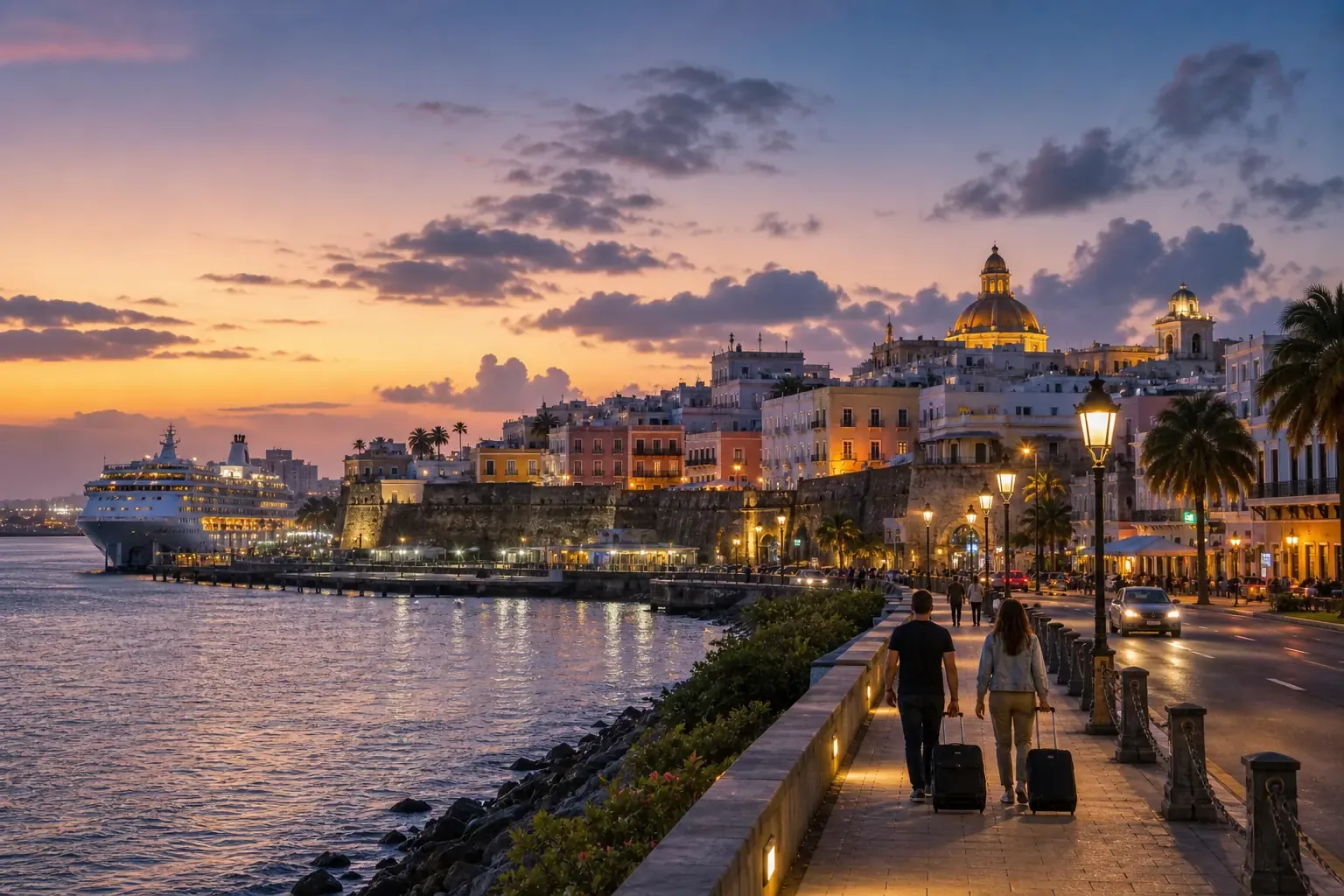
“Budget travel destination” doesn’t have to mean boring food, skipping everything fun, or staying in a place you don’t like just because it’s cheap. The best affordable trips feel high-value: walkable neighborhoods, great scenery, strong public transit, free (or low-cost) highlights, and meals that are genuinely good without white-tablecloth pricing.
Rome2Rio transfer plannerairport rail linkThis list is built for real planning in 2026-places where you can keep costs down with timing, neighborhood choice, and a few repeatable habits. For each destination, you’ll see why it’s budget-friendly, when to go for value, and exactly how to do it cheaper.
Before the list: the 7 rules that keep any destination affordable
These habits create most of the savings-more than “finding a cheap destination.”
Key details
Check the specific details for your visit timing and booking method. Prices, schedules, and availability change seasonally, so verify before you go.
Practical tips
How this list is organized
These destinations are grouped by region. In each, you’ll get:
Key details
Check the specific details for your visit timing and booking method. Prices, schedules, and availability change seasonally, so verify before you go.
Practical tips
U.S. budget travel destinations
New Orleans, Louisiana
Why it’s budget-friendly: Iconic neighborhoods where the experience is largely walking, music, and food-not constant ticketed attractions.
Mexico, Central America, and the Caribbean
Mexico City, Mexico
Why: Huge food value, walkable neighborhoods, museums, and great transit-daily costs stay manageable once you’re there.
Best value timing: Shoulder seasons; avoid peak holiday weeks if flights spike.
Where to stay: A central, walkable neighborhood with transit access so you can avoid taxis.
High-value highlights: Markets + street food; one museum day; one neighborhood walk day.
Budget moves: Make food part of the plan (markets and casual spots); keep tours selective.
Oaxaca City, Mexico
Why: Culture and food where many highlights are markets, walking, and day trips.
Where to stay: Walkable center or just outside it for a quieter, cheaper base.
High-value highlights: Markets; mezcal culture (choose one tasting); day trip to nature/ruins.
Budget moves: One paid tour day, the rest DIY wandering and market meals.
Mérida, Mexico
Why: Great lodging value and access to cenotes/ruins with smart transport planning.
Best value timing: Shoulder season; avoid peak heat if that affects your comfort.
Where to stay: A central guesthouse with walkability to food and sights.
Budget moves: Plan day trips as a bundle (one transport plan, multiple stops) to avoid expensive one-off transfers.
Antigua, Guatemala
Where to stay: Central for walkability; you can do most days on foot.
Budget moves: Use group tours for major hikes; keep the rest slow and local.
Costa Rica (choose one region)
Why: Costa Rica can be pricey, but becomes budget-friendly when you stop moving constantly.
Where to stay: Choose either beach or rainforest for the trip, not both unless you have time and budget.
Budget moves: Stay longer in one place; cook some meals; limit long transfers.
Dominican Republic (local towns over resort-only)
Why: Excellent beach value when you’re not paying resort prices for every meal.
Europe (still doable on a budget-if you choose timing and strategy)
Portugal (Lisbon or Porto + one smaller town)
Why: Strong value vs many Western Europe hotspots-especially outside peak summer.
Best value timing: Spring and fall shoulder seasons.
Where to stay: Transit-connected neighborhoods; you don’t need the priciest historic core.
High-value highlights: Bakery breakfasts; viewpoints; one day trip by regional rail.
Budget moves: Use one base and day trips; avoid constant hotel changes.
Spain (Valencia or Seville)
Why: Great food value, walkable cores, and a lot of “free city joy.”
Best value timing: Spring/fall; avoid peak summer heat and peak holiday weeks.
Where to stay: Near transit or within walking distance to the old town.
High-value highlights: Markets; evening strolls; one major paid highlight per day.
Budget moves: Lunch specials and tapas culture can keep food costs controlled.
Greece (Thessaloniki or Crete shoulder season)
Why: Mainland or shoulder-season Crete can beat peak island pricing.
Best value timing: Shoulder seasons when lodging drops and beaches still shine.
Where to stay: Choose one area and stay longer.
High-value highlights: Beaches (free); walking days; one paid experience day.
Budget moves: Stop moving; the savings come from fewer transfers and fewer “panic taxis.”
Poland (Kraków)
Why: Strong value for food, transit, and history.
Best value timing: Shoulder seasons for better lodging prices.
Where to stay: Central enough to walk, or just outside with easy transit.
High-value highlights: Old town walking day; one museum day; day trip (if desired).
Budget moves: Keep plans walkable; choose one paid highlight per day.
Hungary (Budapest)
Why: Big-city atmosphere with strong value if you choose selectively (and eat away from tourist cores).
Best value timing: Shoulder seasons; winter can be value-friendly (pack warm).
Where to stay: Transit-connected neighborhood rather than the most touristy street.
High-value highlights: Walking neighborhoods; one thermal bath day; viewpoints.
Budget moves: Make the bath your “one paid highlight,” then keep other days low-cost.
Asia (high value once you’re there-watch flight prices)
Vietnam (Hanoi or Ho Chi Minh City + one region)
Why: Low daily costs and huge food value once you arrive.
Best value timing: Shoulder seasons depending on the region’s weather patterns.
Where to stay: Walkable neighborhood close to food and transit so you don’t rely on constant paid rides.
High-value highlights: Street food days; one big cultural highlight; one nature day.
Budget moves: Move less; use trains/buses when practical rather than stacking flights.
Thailand (Chiang Mai for value)
Why: Classic value destination with easy traveler logistics and great food.
Best value timing: Shoulder season; avoid peak holiday weeks.
Where to stay: Near the old city or a walkable area with easy access to food.
High-value highlights: Markets; temple days; one day trip.
Budget moves: Stay longer; limit tours; eat local.
Malaysia (Penang / George Town)
Why: Incredible food and walkable neighborhoods with good lodging value.
Best value timing: Shoulder seasons based on weather.
Where to stay: Walkable George Town area for easy days.
High-value highlights: Hawker centers; walking neighborhoods; one nature/shore day.
Budget moves: Food is the luxury here-without luxury pricing.
Japan (Osaka as a base)
Why: Not “cheap,” but budget-friendly with the right strategy-especially if you reduce hotel moves and use one base for day trips.
Best value timing: Shoulder seasons for better lodging value.
Where to stay: One base city (Osaka) with easy rail access.
High-value highlights: Neighborhood days; one big highlight per day; day trips by rail.
Budget moves: Don’t buy passes unless the math works; stay longer in one place.
How to pick the right destination for your budget
If you’re deciding between options, rank these in order:
- Flight cost: set alerts early and stay flexible by 1-2 days.
- Transit + walkability: can you do most days without rideshares?
- Free highlights: parks, beaches, viewpoints, markets, walkable neighborhoods.
- Food culture: casual local eating (markets, bakeries, street food) makes saving easy without feeling restricted.
- Hotel move frequency: fewer moves = fewer transport costs and less convenience leakage.
Budget travel, but make it feel expensive: the “one splurge” system
The easiest way to make a budget trip feel rich is to spend intentionally on one high-impact category, then save consistently everywhere else. Random savings often feel like deprivation. A system feels intentional.
Step 1: Choose exactly one splurge category
- Location upgrade: a walkable base near the vibe you want
- One signature meal: a tasting menu, seafood splurge, or top-rated spot
- One bucket-list activity: a tour, show, special museum, or adventure day
- Comfort upgrade: direct flight, better departure time, extra legroom
When you choose upfront, you stop bleeding money on small stuff that doesn’t move the needle.
Step 2: Use the “one paid highlight per day” rhythm
- Morning: free highlight (market, park, walk)
- Midday: low-cost meal (street food, bakery, lunch special)
- Afternoon: paid highlight OR free scenic time
- Evening: relaxed vibe (sunset, live music, casual dinner)
Step 3: Stop convenience leakage
Convenience leakage is spending that happens because you’re tired or far from what you want (taxis, overpriced tourist meals, last-minute tickets, replacing forgotten items). The fix is planning buffers and choosing a good base neighborhood.
Sample “high value” itineraries (copy the structure)
Use these as templates for any destination on this list.
Template A: 3-day budget city break
- Day 1: Arrival + neighborhood walk + casual dinner near lodging
- Day 2: Market breakfast + one museum/tour + park/sunset stroll + one signature meal
- Day 3: Free highlight morning + souvenir errand + depart
Template B: 6-7 day “one base + day trips” trip
- 2-3 days exploring base city by neighborhood
- 1-2 day trips by rail/bus
- 1 reset day (laundry, park day, beach day)
- 1 flex day for weather or energy
FAQs (expanded)
What’s the cheapest month to travel?
It depends on where you’re going, but shoulder seasons (often spring and fall) are usually the best value: lower prices than peak summer/holiday weeks with better weather than deep off-season in many places.
How do I keep a budget trip from feeling cheap?
Spend strategically: choose one memorable experience per day (a tour, a special meal, a museum), then keep the rest simple and local so the trip flows without money stress.
What’s the fastest way to cut trip costs?
Lower the big three: flights, lodging, and food. Flexible dates and a good location (near transit) usually do the most work. After that, reduce hotel moves and replace rideshares with walking/transit.
How far ahead should I book to get the best price?
There’s no one rule, but in general: book when the price is “good enough” for your route and season rather than chasing the perfect low. Set alerts and act when it hits your threshold.
Is it cheaper to travel with friends?
Often yes, because lodging can be split. The biggest savings usually come from splitting apartments or family rooms. Food and activities can go either way depending on group habits.
What’s the best budget travel mistake to avoid?
Changing hotels too often. It increases transport costs, wastes time, and triggers convenience spending (taxis, expensive meals near stations, last-minute purchases). Staying longer in fewer places is one of the most reliable ways to save.
Next steps (internal links)
- Cheap Flights: set alerts and use flexible dates to reduce your biggest cost.
- Budget Travel Tips: a full system for saving on lodging, food, transit, and activities.
- Travel Itinerary Template: plan by geography to cut daily transport spending.
- Travel Insurance Comparison: protect nonrefundable parts without overbuying.
Common Mistakes to Avoid Most travelers get this wrong in a few predictable ways. Double-check your route, confirm your booking details, and leave ex
Traveler Tips
Keep these practical details in mind when making your decision.
Common Mistakes to Avoid
Most travelers get this wrong in a few predictable ways. Double-check your route, confirm your booking details, and leave extra time during peak hours. Small mistakes here turn into big headaches fast.
tra time during peak hours. Small mistakes here turn into big headaches fast.
Sam's practical verdict
Sam's practical verdict: The best transfer choice depends on your bags, your arrival time, and your hotel location. Do not choose based on price alone. Choose based on the moment that is most fragile: heavy bags, late arrival, tired children, or a hotel that is far from public transport.