the city rewards curiosity. This guide covers what actually matters: where to stay, how to get around, what to eat, and what to skip.
Lonely Planet TripAdvisor Rome2Rio transfer planner airport rail linkSan Diego looks simple until you start drawing the map. The airport is close to downtown, the beaches are spread along the coast, Balboa Park can fill half a day by itself, and La Jolla, Coronado, Mission Beach, Little Italy, and the Gaslamp all pull the trip in different directions. A good San Diego plan is less about seeing everything and more about choosing the right base for the version of the trip you actually want.
This is the broad San Diego planning hub. Use it to decide where to stay, when a car helps, how to handle SAN arrival, which beach area fits your pace, and how to shape 3 to 5 days without turning every day into a cross-county transfer. If your first decision is the airport transfer, use the San Diego airport to downtown guide for taxi, rideshare, Route 992, luggage, and late-arrival details. For the hotel-area decision, use the San Diego without a car stay guide; this hub should stay focused on the full trip shape, not every hotel-zone tradeoff.
Quick answer: most first-timers should stay in Downtown, Little Italy, or the waterfront if they want easy airport arrival, restaurants, Balboa Park access, and flexible rides to beaches. Stay in La Jolla if the coast is the main event. Stay in Mission Beach or Pacific Beach only if beach time matters more than museum and downtown convenience.
Best default plan: 3 nights for downtown, Balboa Park, La Jolla, and one beach day. Add a fourth or fifth night if you want Coronado, Torrey Pines, zoo time, kids' pacing, a full beach base, or a Comic-Con week buffer.
Choose the base before you choose the itinerary
The main San Diego planning mistake is booking a hotel that matches one pretty photo but not the daily route. A beach hotel is excellent if you want morning sand and sunset walks. It is weaker if every day sends you to Balboa Park, the zoo, Little Italy, Petco Park, Coronado, and the airport. A downtown hotel is practical for arrival and dining, but it will not give you the slow coastal feeling people imagine when they say they want San Diego.
Start with the hardest moment of the trip. If that moment is landing at SAN with bags and kids, stay close to downtown or the waterfront. If it is getting back after dinner without a car, stay in Little Italy, the Gaslamp edge, or a walkable downtown block. If it is waking up near the water, accept that some inland sights will need a planned drive or ride.
Best first-timer base
Downtown, waterfront, Little Italy. Easy airport ride, good food access, stronger no-car options, and better positioning for Balboa Park, zoo time, harbor walks, and day rides to beaches.
Best coast-first base
La Jolla. Choose it when coves, coastal walks, calmer evenings, and a more polished beach trip matter more than downtown convenience.
Best beach-energy base
Mission Beach or Pacific Beach. Good for sand, bikes, casual food, and nightlife, but weaker for a museum-heavy or car-free first trip.
Where to stay by trip style
Downtown, waterfront, and Little Italy: easiest logistics
This is the best default for travelers who want a balanced first trip. You are close to SAN, harbor walks, Little Italy restaurants, the Gaslamp, Petco Park, ferry options, and rides toward Balboa Park. The small truth is that downtown San Diego is not one mood. Little Italy feels different from the Gaslamp, and the waterfront feels different from an inland business-hotel block.
Choose this zone if you want the trip to stay flexible. Avoid the loudest nightlife blocks if sleep matters, especially around convention weeks, games, and weekends. If you are going to Comic-Con, this is the most convenient area, but convenience can come with high prices and limited rooms.
La Jolla: best when the coast is the trip
La Jolla gives San Diego its postcard moment: coves, cliffs, sea caves, ocean views, and a slower coastal rhythm. It is a strong choice for couples, families with older kids, and travelers who would rather start the day by the water than in the destination. The tradeoff is distance. You should not book La Jolla and then plan every evening downtown unless you are comfortable using a car or rideshare often.
La Jolla also rewards early starts. Parking and crowds can build around the cove area, and wildlife viewing requires distance and patience. If seeing the coast calmly matters, morning often beats a rushed late-afternoon drop-in.
Mission Beach and Pacific Beach: beach days first, everything else second
Mission Beach and Pacific Beach make sense when the beach is the structure of the day: boardwalk, bike ride, casual meals, sunset, repeat. They are weaker bases for travelers who expect to bounce easily among the zoo, Balboa Park, Coronado, Little Italy, and La Jolla without a car plan.
Families may prefer Mission Beach for classic sand-and-boardwalk time, while Pacific Beach works better for travelers who want a livelier bar and casual food scene. The key is not pretending these areas are central. They are beach bases, not universal bases.
Coronado: beautiful, calm, and not always practical
Coronado can be excellent for a calmer stay, wide beach time, and a more resort-like feel. It becomes less practical if most of your plans are north of downtown or inland. Think of it as a deliberate choice, not a default. If you stay there, build the trip around Coronado and one or two city excursions rather than trying to use it as a launchpad for everything.
Car or no car: the decision that changes the whole trip
You can visit San Diego without a car if you stay downtown or near Little Italy and keep the plan tight: harbor, Balboa Park, zoo, ferry, restaurants, and one or two rides to beaches. That works best for couples, solo travelers, convention visitors, and short stays.
A car starts to help when the trip becomes coastal or spread out: La Jolla plus Torrey Pines, Mission Beach plus Coronado, multiple family attractions, or a split between beach and city. The problem is not whether driving is possible. The problem is parking friction, beach crowds, and the way one far-apart plan can eat the relaxed feeling out of a San Diego day.
| Trip style | Car advice |
|---|---|
| Downtown, Little Italy, Balboa Park, one beach ride | Skip the car at first. Use taxi, rideshare, ferry, trolley, or selected day rental if needed. |
| La Jolla, Torrey Pines, beach hopping, family attractions | A car can help, but plan parking and avoid moving zones too many times in one day. |
| Comic-Con, conference, downtown events | Avoid a car unless your hotel includes easy parking. Downtown congestion and hotel rates already add enough friction. |
When to split nights
Most short trips should not split hotels. Moving bags costs time, and San Diego is close enough that many visitors can use rides instead. Split nights only when the trip has two clear halves: a downtown or convention start followed by a beach stay, or a beach-first family stay followed by a downtown departure night near SAN.
For 3 nights, stay put. For 4 nights, split only if the beach is central to the trip. For 5 nights, a 2-and-3 split can work well: two nights downtown for arrival, Balboa Park, food, and harbor plans, then three nights in La Jolla, Mission Beach, or Coronado for the slower part.
Food and neighborhood planning
San Diego food planning works best by neighborhood rather than by citywide ranking. Use Little Italy for an easy first dinner or a downtown base. Use North Park or South Park when food, beer, and neighborhood wandering matter. Use Convoy for a more food-driven outing if you have a car or a specific plan. Use beach neighborhoods for casual meals that fit the day instead of forcing a long ride after sunset.
The practical rule is simple: do not make every meal a transfer. Anchor one meal per day near the main zone. If you are in La Jolla, eat near La Jolla. If you are in Balboa Park, plan around Hillcrest, North Park, or downtown. If you are beach-based, choose the meal that keeps the group relaxed rather than the one with the most online mentions.
Budget logic: where to spend and where to save
San Diego gets expensive when hotel location, car rental, parking, and long rides all stack at once. A cheaper room can lose value if it forces daily transfers. A more expensive downtown room can be worth it for a short no-car trip. A more expensive beach room can be worth it if the beach is the actual trip, not just a photo stop.
Spend on location when it removes friction from your hardest daily moment. Save by choosing fewer paid attractions, keeping one beach or park day simple, and resisting the urge to cross the destination for every meal. Families should budget for parking, snacks, and downtime. Those costs are less glamorous than tickets, but they control whether the day stays workable.
Safety, comfort, and access basics
San Diego is generally easygoing, but beach days still need practical planning. Sun, surf, cliffs, parking pressure, and long walking loops can turn a simple plan into a tiring one. Respect posted warnings, keep distance from wildlife in La Jolla, and do not treat cliff or tide areas like a theme-park set.
For accessibility and stroller planning, flatter does not always mean easier. Beach sand, boardwalk crowds, hills near La Jolla, large zoo distances, and parking-to-entrance walks matter. If mobility is a concern, choose fewer zones, confirm hotel parking or drop-off details, and plan one strong outing per day rather than three partial ones.
| Area | Walk to sights | Nightlife | Best for |
|---|---|---|---|
| City Center | Excellent | Good | First-timers, sightseeing |
| Near Station | Good | Moderate | Early trains, budget |
| Trendy District | Moderate | Good | Local feel, food scene |
| Quiet Neighborhood | Good | Quiet | Families, relaxed stay |
Related guides
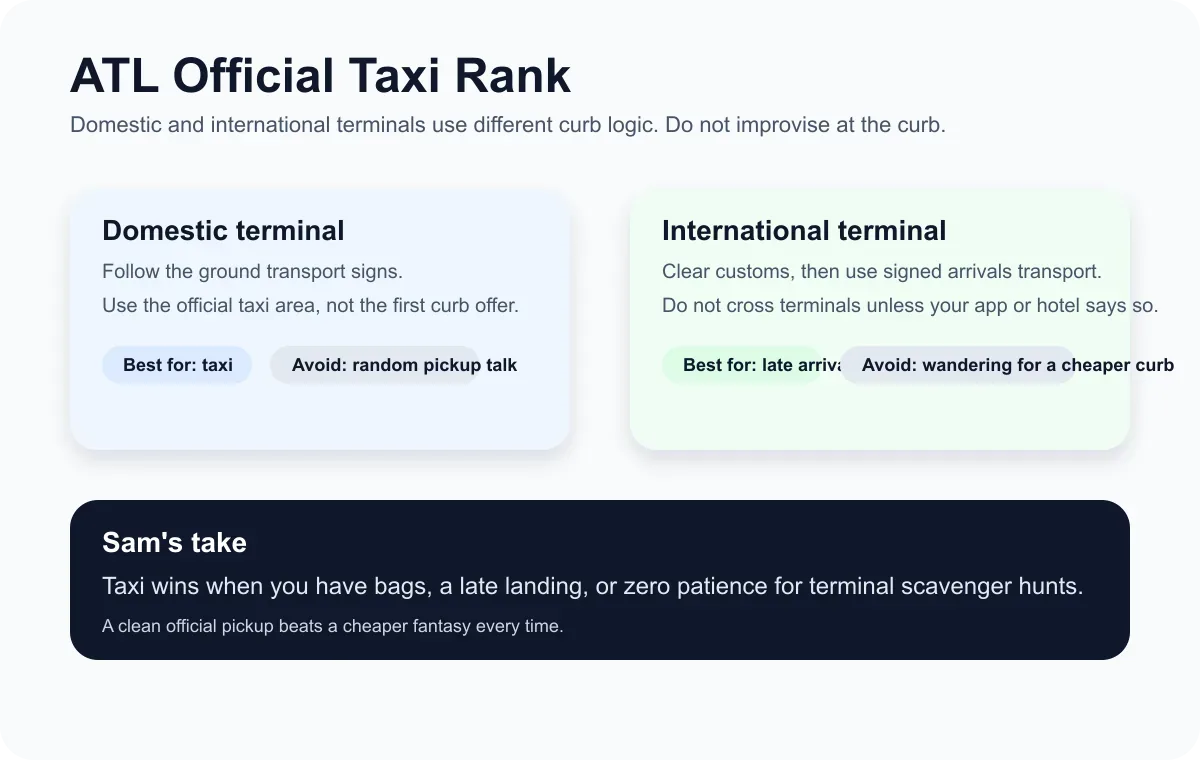
Sam's practical verdict
Sam's practical verdict: The best transfer choice depends on your bags, your arrival time, and your hotel location. Do not choose based on price alone. Choose based on the moment that is most fragile: heavy bags, late arrival, tired children, or a hotel that is far from public transport.