Updated: February 2026
TripAdvisor Google Maps airport rail linkNorthern Italy is the kind of place where meals become a navigation system
You follow truffles into foggy Piedmont hills, let a bowl of ragù pull you into Bologna, stop for a glass of Amarone because the light looks right - and suddenly it’s late, and it’s perfect. You don’t need a fine-dining checklist to eat well here. You need rhythm: market mornings, one big lunch, a calm afternoon, and dinner somewhere local enough that the menu doesn’t try to impress you.
This guide is a planning-first Northern Italy route for 2026: where to base, what to eat in each region, and how to keep the trip slow (and affordable) without missing the classics.
At-a-glance: route + best months
| Region | Base | Best months | Best for |
|---|---|---|---|
| Piedmont | Turin / Alba | Apr–Jun, Sept–Nov | truffles, wine hills, chocolate |
| Emilia‑Romagna | Bologna | Mar–Jun, Sept–Nov | pasta, markets, balsamic, cheese |
| Veneto | Verona | Apr–Jun, Sept | walkable city + wine + easy day trips |
| Lake Garda | Sirmione / Desenzano | May–June, Sept | lake light, slow afternoons |
| Liguria | Camogli / Genoa area | May–June, Sept | focaccia, pesto, simple seafood |
| South Tyrol | Bolzano / Merano | May–Oct | mountain comfort food + hikes |
Sweet spot: late May–June or September for warm weather, fewer crowds, and the best “slow lunch” energy.
Key details
Check the specific details for your visit timing and booking method. Prices, schedules, and availability change seasonally, so verify before you go.
Practical tips
Check the specific details for your visit timing and booking method. Prices, schedules, and availability change seasonally, so verify before you go.
Common questions
Check the specific details for your visit timing and booking method. Prices, schedules, and availability change seasonally, so verify before you go.
Choose your itinerary (7 / 10 / 12 days)
- 7 days (classic): Turin + Langhe (2) → Bologna/Modena (2) → Verona/Garda (2) → one final night (Liguria or South Tyrol)
- 10 days (best balance): Piedmont (2–3) → Emilia‑Romagna (3) → Verona/Garda (2) → Liguria (2)
- 12 days (slow + mountains): Piedmont (3) → Emilia‑Romagna (3) → Verona/Garda (2) → Liguria (2) → South Tyrol (2)
Crowd-smart rule: 3 nights per base beats five 1‑night stops. Northern Italy rewards staying put.
Key details
Check the specific details for your visit timing and booking method. Prices, schedules, and availability change seasonally, so verify before you go.
What to eat around Verona and Lake Garda
- Risotto all’Amarone
- Bigoli (thick pasta) in simple sauces
- Lake fish (ask what’s local that day)
Stop 4: Liguria - pesto, focaccia, and seafood simplicity
Liguria is proof that the simplest food can be the most satisfying: olive oil, basil, anchovies, lemons, and fresh bread. If you’re tempted by the famous villages, keep your base calm and do early/late visits.
What to eat in Liguria
- Focaccia (try it plain first - then with toppings)
- Trofie al pesto
- Anchovies (especially along the coast)
- Speck + mountain cheeses
- Apple strudel (always correct)
Extending the trip: Dolomites in 10 days: slow road trip itinerary (2026).
2026 tips: car, bookings, and pacing
- Best time to go: April–October for weather; September is a sweet spot for fewer crowds + harvest energy.
- Car choice: smaller is better for towns + parking (and less stressful on narrow streets).
- How many tastings per day? 1–2 max. Leave room for spontaneity (and naps).
- Budget saver: do markets for breakfast + snacks, then spend on one standout lunch.
- Reservations: book ahead for top producers/cellars and cooking classes in peak weeks.
If you’re building a wider summer itinerary, pair this with our Southern Europe food & wine road trip (2026) or the Summer in Europe hub (2026).
FAQ
How many days do I need for a Northern Italy foodie road trip?
7–10 days is ideal. If you want South Tyrol/Dolomites time, aim for 10–12 days so you don’t rush.
What’s the best month for Northern Italy food travel?
Late May–June and September are the easiest wins: great produce, comfortable temperatures, and fewer crowds than peak July/August.
Do I need a car for this route?
A car helps for wine hills and rural stops (Langhe, parts of South Tyrol). But Bologna and Verona are very workable with trains - many travelers do a hybrid: train between cities, car for countryside days.
How to keep a Northern Italy food route sane
Northern Italy works best when you choose a food theme instead of collecting regions. Piedmont for wine and slow meals, Emilia-Romagna for pasta and markets, the Lakes for scenery, and the Dolomites for mountain food all deserve time. Trying to do all of them quickly turns lunch into fuel, which is a crime in this part of the world.
Build the route around market mornings, one serious meal every couple of days and hotels that reduce driving after dinner. The best food trips leave space between meals. That is where digestion, wandering and better decisions happen.
Check hotel availability on Booking.com
Practical Tips for a Smoother Trip
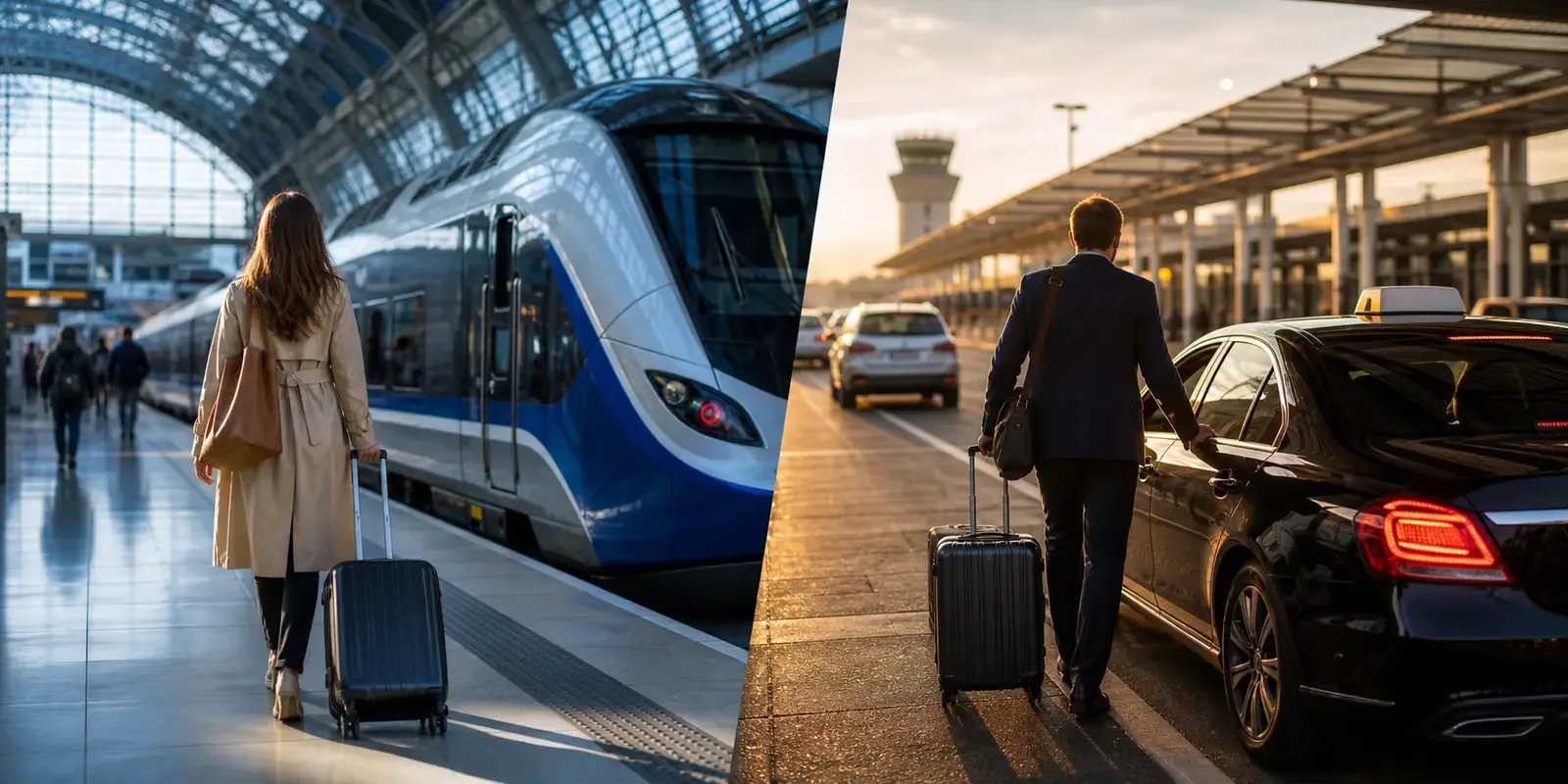
Getting the most out of your visit comes down to a few practical choices. Book your airport transfer in advance if you are arriving late, and always keep a backup plan for transport after midnight. City center hotels usually cost more, but they save time and taxi fare each day.
Learn a few local phrases for taxis and directions. Check your hotel check-in policy before you arrive, especially for late arrivals. Pack a power bank for your phone so you can access maps and tickets on the go.
Avoid the busiest travel hours if you can. Carry small local currency for taxis and tips. Always confirm the final fare before getting into a taxi, and use official ranks over ride-share apps when available.
Common Mistakes Travelers Make
Many first-time visitors buy the wrong transit ticket. Check the zone map before purchasing. Another common error is booking a hotel that looks central on the map but sits at the bottom of a steep hill with luggage. Always check street-level maps, not just transit maps.
Tourists also underestimate walking distances and overestimate public transit speed late at night. A taxi that costs 25 EUR often beats waiting 30 minutes for a night bus after a long flight.
Sam’s Practical Verdict
For most travelers, the default choice depends on your arrival time and luggage situation. Book ahead when you can, keep cash for emergencies, and always have a backup plan. If this is your first visit, prioritize convenience over saving a few euros. Buy the right ticket, check your hotel location on a street map, and arrive prepared.
What to Do When Things Go Wrong
Travel rarely goes exactly to plan. If you miss a connection, stay calm and head to the airline or station help desk immediately. Most carriers rebook you at no charge if the delay is their fault. If your hotel loses your reservation, call their direct line rather than going through a booking platform.
Lost luggage happens more often on tight connections. Keep essentials in your carry-on including a change of clothes, phone charger, and any medication. If your bags are delayed, file a report at the airport before leaving and request delivery to your hotel.
For transport strikes, check alternative routes via bus, rental car, or rideshare apps. Local tourism offices can help find last-minute accommodation if your plans change unexpectedly.
Where to Eat Along the Route
From the white truffle markets of Alba to the apple strudel of South Tyrol, Northern Italy is a region where food defines the itinerary. Stop in Modena for balsamic vinegar tastings, visit a Parmigiano-Reggiano dairy in the Emilia hills, and book a barolo tasting in the Langhe region. Each stop needs at least half a day to truly experience.
Truffle hunting experiences in Piedmont run from September through December and require booking weeks in advance. Small-group tours cost around 80-120 EUR per person and include a truffle dog, a hunt through the woods, and a tasting afterward. The town of Alba hosts the annual White Truffle Fair through October and November.
In Emilia-Romagna, factory tours for Parmesan cheese, prosciutto di Parma, and traditional balsamic vinegar are easy to arrange. Most tours cost 10-25 EUR and end with a tasting. Book ahead during summer months when slots fill quickly. The towns of Modena, Parma, and Reggio Emilia are the main hubs for these food experiences.
Travel insurance is one of those things you do not need until you desperately do. A cancelled flight, lost luggage, or unexpected medical issue can turn a budget trip into an expensive disaster. Check whether your credit card already includes travel coverage before buying a separate policy.
Carry a pen for filling out immigration forms and customs declarations on the plane. The flight attendants often run out, and buying one at the airport shop costs more than it should. A pen weighs nothing and saves you from awkward borrowing.
Photocopy your passport and save it as a photo on your phone. If your passport is lost or stolen, having a copy speeds up the replacement process at the embassy. Keep the original in the hotel safe and carry the copy during day trips.
Wine Regions You Should Not Skip
Barolo and Barbaresco in Piedmont produce some of Italy's most famous red wines. The rolling hills of the Langhe region are dotted with family-run wineries that welcome visitors for tastings. Most charge 15-30 EUR for a guided tasting of three to five wines. Make reservations at least a day ahead for the smaller producers.
Further east, the Valpolicella region near Verona is known for Amarone and Ripasso wines. The town of Negrar is the heart of Valpolicella Classico. Tours here are usually more relaxed and often free with a minimum purchase. The Soave region produces excellent white wines and is a short drive from Verona.
In South Tyrol, the alpine wine route between Bolzano and Merano offers crisp white wines grown at high altitude. The scenery alone is worth the drive, with vineyards set against dramatic mountain backdrops. Most wineries here close by 6 PM, so plan wine tasting for early afternoon.
Sam's practical verdict
Sam's practical verdict: The best transfer choice depends on your bags, your arrival time, and your hotel location. Do not choose based on price alone. Choose based on the moment that is most fragile: heavy bags, late arrival, tired children, or a hotel that is far from public transport.