Updated: April 2026.
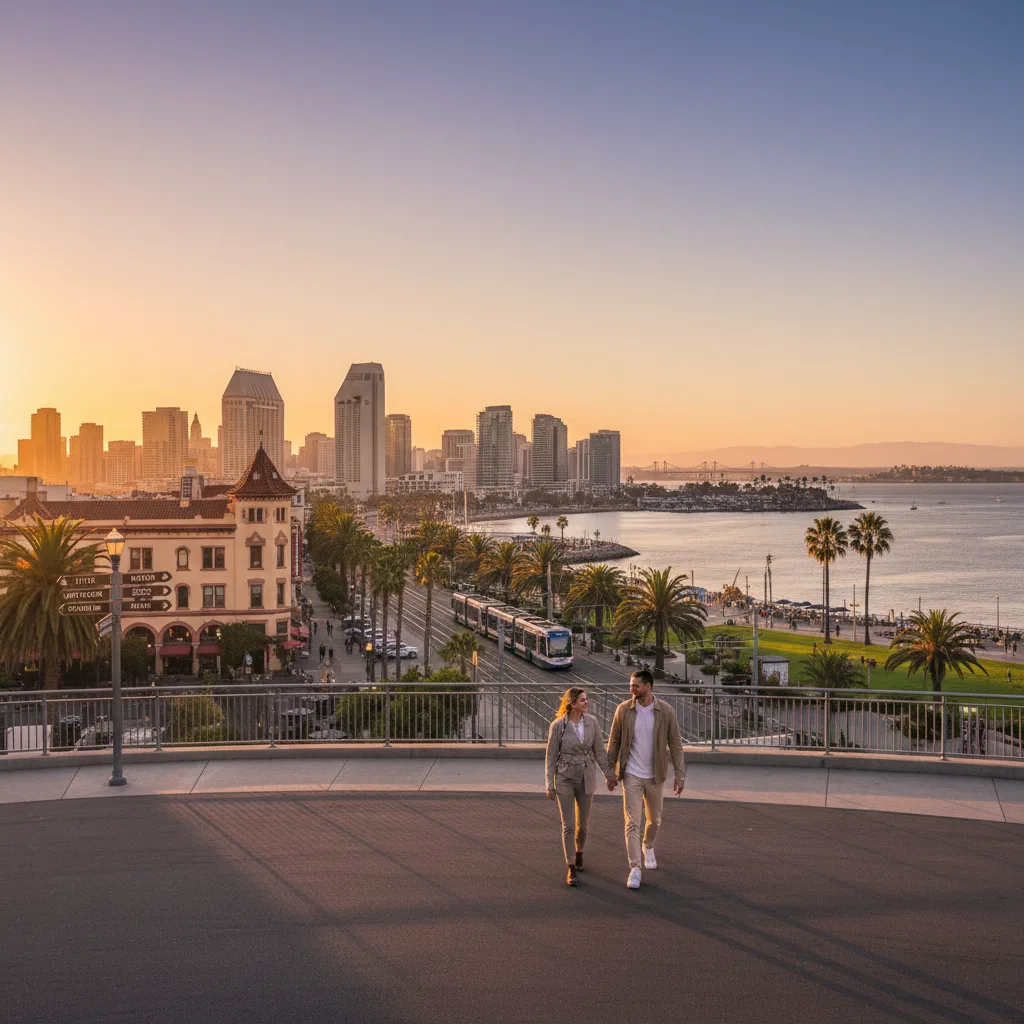
Rome2Rio transfer planner airport rail linkBarcelona is one of the easiest European cities to plan badly because the destination sells several versions of itself at once. One version is Gaudí, famous facades, and a short list of must-book sights. Another is beaches, long lunches, and Mediterranean looseness. A third is neighborhood life: Gràcia evenings, Eixample geometry, El Born energy, and slower local streets that feel very different from La Rambla or the Gothic Quarter. Many weak Barcelona trips happen because travelers chase all three versions every day instead of deciding which one leads the trip and which one supports it.
This guide is built to stop that from happening. It helps you decide where to stay, which neighborhoods fit your trip style, what is truly worth prioritizing, how to balance architecture, food, beach, and city rhythm, how many days Barcelona really deserves, how to build 2-to-5-day itineraries that still feel human, and when day trips actually improve the trip instead of stealing time from the destination. Barcelona is best when it feels sequenced, not crowded.
Barcelona at a glance
- Best trip length: 3 days is ideal for many first visits. 4 to 5 days works well if you want slower neighborhoods, beach time, or a day trip.
- Best base for most first-timers: Eixample, El Born edge, or a carefully chosen part of the Gothic side that is not too noisy.
- Planning rule: one major timed attraction per day is often enough.
- Biggest mistake: packing beach, Gaudí, old city, Montjuïc, and nightlife into the same overworked schedule.
These practical details help you make a better decision before you travel.
>Quick answer for most travelers
For a first Barcelona trip: stay in Eixample or a quieter part of El Born, prebook Sagrada Família and one other timed sight, dedicate one day to old-city neighborhoods, one to Gaudí and modernist Barcelona, and one to beach or Montjuïc plus a slower evening. That mix gives you the destination without turning it into a queue marathon.
How to use this guide
- Short trip: start with neighborhoods and the 3-day route.
- Architecture-first trip: read the attractions section before the route.
- Food and neighborhood trip: focus more on El Born, Gràcia, Poble-sec, and pacing.
- Still choosing a hotel: decide the base before locking your daily plan.
By traveler type: choosing the right Barcelona
The first-time classic city-break traveler
Backup Options
Always have a Plan B. If your first choice falls through, knowing alternatives saves the day.
Rain, heat, and recovering the route
Barcelona is not only a sightseeing city. It is also an energy-management city. Heat matters. Shade matters. Meal timing matters. If the day starts late or the weather turns against the original route, the smartest move is usually to protect one district and one high-value stop instead of trying to save the full itinerary. This is especially important in summer, when the destination can feel punishing if you insist on maximum daytime exposure.
Accessibility Notes
Verify accessibility details in advance if you need step-free access, elevators, or specific accommodations.
What Barcelona is best at
Barcelona is not strongest when it behaves like a pure monument city or a pure beach city. It is strongest when a day has contrast. Stone and shade in the morning, wider streets and lunch later, perhaps a viewpoint, beach block, or slower neighborhood in the afternoon, then a dinner that still feels like part of the destination instead of recovery from it. the destination’s real quality is that these shifts can happen naturally if you do not overcrowd the route.
Sample Barcelona trip shapes that actually work
The first 3-day Barcelona trip
Short Barcelona versus longer Barcelona
A two- or three-day trip should protect the core contrasts and avoid overreaching: old city, architecture, and one slower Barcelona layer. A four- or five-day trip can start giving more room to Gràcia, Montjuïc, beach time, and day trips. Problems usually start when travelers plan a short trip with long-trip ambition or a long trip with short-trip intensity.
Barcelona gains quality very quickly when you accept that not everything belongs to the same version of the destination. Short trips need concentration. Longer trips need rhythm. Once that is clear, the route becomes much easier to shape well.
the destination is generous when you give it proportion. It becomes tiring when every district is asked to perform like the headline of the day.
That is why disciplined Barcelona planning so often feels more enjoyable than ambitious Barcelona planning, even when the disciplined version contains fewer famous names.
Where Barcelona usually goes wrong
Barcelona usually goes wrong when visitors confuse quantity with depth. They assume the destination must be consumed quickly because there are so many famous names attached to it, so every day becomes a sprint between icons, queues, heat, and transport jumps that never quite settle. The trip still produces photos, but it does not produce much ease, and that missing ease is exactly where Barcelona is supposed to shine.
The better version is less dramatic and much stronger. Choose one central identity for each day, then allow a second layer to support it. Architecture plus one neighborhood. Old city plus one good meal and one square worth lingering in. Beach or Montjuïc plus a calm evening. Barcelona rewards that kind of clarity because the destination has enough texture that it does not need to be proven constantly.
Why the destination can feel more tiring than expected
First-time visitors often underestimate how much heat, crowd density, stairs, timed entries, and late-evening energy change the day. None of those pieces are a problem by themselves. The problem appears when they are all stacked into the same route with no recovery point. Barcelona becomes much easier when your hotel base is reliable, your major tickets are spaced, and one part of the day is allowed to stay ordinary instead of performative.
How to keep the trip from becoming a queue marathon
The easiest fix is to stop treating every famous site as equally urgent. Sagrada Família may deserve advance booking. One second timed attraction might also make sense. Beyond that, the destination often gives a better return through streets, squares, food, and district contrasts than through another reservation window. Barcelona feels more human the moment you allow the itinerary to include time that is not pre-sold.
What strong Barcelona days have in common
They usually begin with one clear intention. Not five. You know whether the day is mainly historic, architectural, coastal, or neighborhood-led. That decision keeps movement cleaner and helps meals, shade, and energy fall into place naturally. Once a day starts with that kind of definition, the destination becomes much easier to enjoy because the route no longer tries to prove everything at once.
Strong Barcelona days also have a stopping point. A weak itinerary keeps asking the destination for more long after the best part of the day is over. A strong one recognizes when the old streets have flattened, when the heat has broken the route, or when dinner and evening walking will create a better memory than one extra church, rooftop, or museum room. That discipline is not a loss of ambition. It is what keeps the trip alive.
The value of one calm neighborhood block
Almost every memorable Barcelona itinerary includes at least one stretch that is not about checking anything off. A slower Gràcia afternoon, a Born evening that is not squeezed between two reservations, a broad Eixample walk after a major sight, or a Montjuïc descent with no pressure to rush onward. Those calmer blocks prevent the destination from becoming only famous and let it become inhabited, which is when Barcelona starts feeling strongest.
Why selective planning beats total coverage
Many European city breaks reward coverage. Barcelona rewards shape. the destination has enough density, design, and public life that a smaller number of better-structured choices will usually outperform a broader but thinner route. If the traveler leaves remembering the destination as layered, delicious, and full of atmosphere, the plan worked. If they leave remembering only queues and heat, the plan failed even if the checklist was longer.
That is especially true on a first visit, when the destination is already doing a lot of work in the background. New meal timing, denser streets, louder evenings, ticket windows, and shifting energy all influence the day. A selective plan absorbs those realities. A coverage plan breaks against them. Barcelona tends to reward travelers who accept that experience quality matters more than the raw number of districts touched.
In practice, that usually means leaving one or two famous ideas unrealized and accepting that as a strength, not a flaw. Barcelona is one of the easiest cities in Europe to revisit well. Protecting the quality of this trip is usually more valuable than squeezing every possible landmark into it. the destination rewards restraint surprisingly well.
| Area | Walk to sights | Nightlife | Best for |
|---|---|---|---|
| City Center | Excellent | Good | First-timers, sightseeing |
| Near Station | Good | Moderate | Early trains, budget |
| Trendy District | Moderate | Good | Local feel, food scene |
| Quiet Neighborhood | Good | Quiet | Families, relaxed stay |
How many days do you need in Barcelona?
Three days is ideal for many first-time travelers. Four to five days works well if you want slower pacing or a day trip.
Where should first-timers stay in Barcelona?
Eixample or a well-chosen edge of El Born usually offers the best balance of comfort, location, and city feel.
Is Barcelona expensive?
It can be moderate by Western European standards, but costs rise quickly with poorly chosen hotels, too many paid sights, and inefficient movement.
Is Barceloneta the best place to stay?
Only if beach access is one of the trip’s real priorities. It is not the default best all-purpose base for most first visits.
Are day trips worth it from Barcelona?
Yes, especially from day four onward. On a short first trip, Barcelona itself usually deserves the time more.
Traveler Tips
Keep these practical details in mind when making your decision.
Related guides
- Santiago in December 2026: Transport, Hotels, and Weather Friction
- Sao Paulo in December 2026: Transport and Hotel Friction
- FOR to Fortaleza 2026: Best Airport Transfer Options
- What to Do if Your Flight Lands Late in Fortaleza 2026
- Fortaleza Airport to Fortaleza City Center 2026: Taxi or Bus?
- Helsinki Airport to Cruise Terminal 2026: Verified Transfer Guide
Sam's practical verdict
Sam's practical verdict: The best transfer choice depends on your bags, your arrival time, and your hotel location. Do not choose based on price alone. Choose based on the moment that is most fragile: heavy bags, late arrival, tired children, or a hotel that is far from public transport.