Updated: August 2026
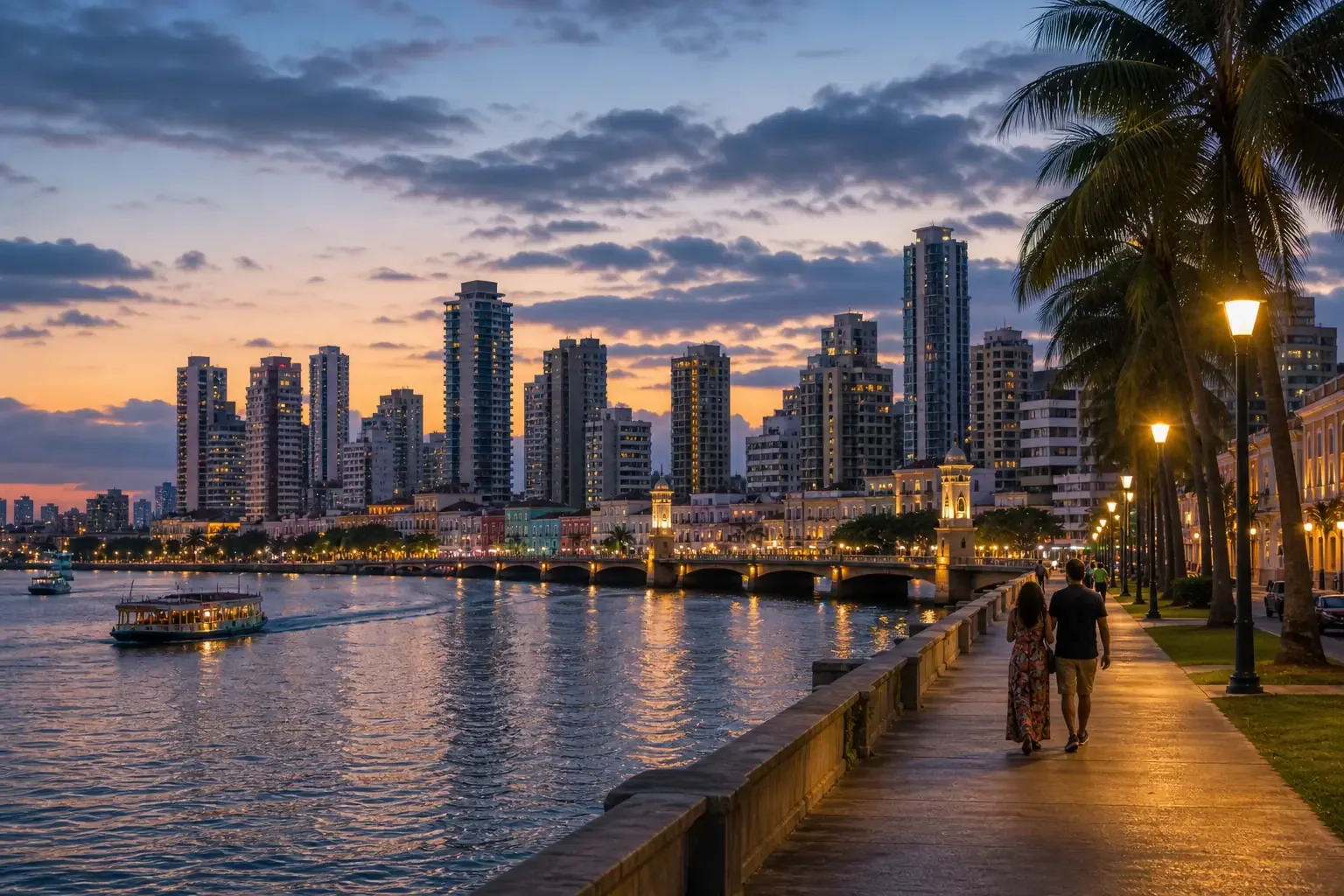
“Waterfront Rio” sounds like one obvious hotel decision until you look at the map. Copacabana, Ipanema, Leblon, Botafogo, Urca, Barra da Tijuca, and Porto Maravilha offer very different evenings, transport links, beach access, and arrival friction.
The best area depends on what you want to do after the bags hit the room. This guide helps you choose the neighborhood first, then check the exact street, hotel entrance, and late-arrival route.
Quick answer
For a first Rio visit, choose Copacabana for the easiest all-round base, Ipanema or Leblon for a more polished beach-and-evening stay, Botafogo or Urca for views and useful connections, Barra for space and resort comfort, and Porto Maravilha only when the waterfront project and downtown access match your actual plans.
Do not book from the word “waterfront” alone. Check the exact neighborhood, street, nearest useful station, nighttime route, and hotel reception.
What “waterfront” means in Rio
A waterfront label can mean a beach promenade, a bay view, a marina, a regenerated harbor district, or a hotel that is merely near water on a large map. Those are not interchangeable experiences.
Riotur's official visitor information treats Rio as several distinct coastal areas. Use the neighborhood name and exact address as the real booking data. A hotel beside the ocean in Barra can be a poor base for a visitor who plans to spend every day in Zona Sul. A harbor hotel can be wrong for someone expecting a beach morning.
Copacabana: the safest default for convenience
Copacabana is the broadest first-visit default when you want a recognizable beach, plenty of food, a dense hotel supply, and relatively simple transport decisions. It is not quiet, and the exact block matters, but the area reduces the number of times you need to cross the city.
Choose it when you want a practical base for beach walks, Sugarloaf and Christ the Redeemer logistics, evening food, and a hotel search with many price levels. Check whether the room faces the beach avenue or a noisier side street, and confirm air conditioning.
Best for: first visits, mixed budgets, families who need nearby food, and travelers who do not want the hotel area to become another transport project.
Ipanema and Leblon: better evenings, higher prices
Ipanema and Leblon suit travelers who want the beach plus restaurants, cafés, shopping, and a more polished evening feel. The tradeoff is price and, in some pockets, a narrower choice of budget rooms.
Use the exact beach post or street as the decision point. A room near a lively avenue may be excellent for dinner and noisy for sleep. A room farther inland may be calmer but less useful for a first beach walk. The last few blocks matter more than the neighborhood label.
Choose this base when: the evening matters as much as the beach and you are willing to pay for a stronger location. Avoid it when: your budget only works far from useful transport.
Botafogo and Urca: views and useful connections
Botafogo can work well for travelers who want bay views, a local-feeling base, and access toward Centro, Copacabana, and Sugarloaf. Urca is quieter and scenic, but the hotel and restaurant choice is narrower.
These areas are useful when the view is part of the trip rather than a decorative line in the listing. Check the walk from the hotel to the actual station or main road. A bayfront pin can still sit far from the most useful evening route.
For early or late arrivals, confirm reception and the transfer before booking. The calm neighborhood is only useful if the door is easy to find when your battery is low.
Barra da Tijuca: space, beaches, and more distance
Barra can be the right choice for longer stays, families wanting more room, resort facilities, or plans concentrated in the western part of Rio. It is a weak default for a first visit built around Copacabana, Ipanema, Sugarloaf, and central sightseeing.
Choose Barra when the hotel itself is part of the plan or when your events and beach time are nearby. Check the exact transport and traffic exposure before assuming a simple connection to Zona Sul. The beach may be close while the rest of your itinerary is not.
Sam's take: Barra is not “badly located” in the abstract. It is badly located for the wrong itinerary.
Porto Maravilha: harbor district, not a beach base
Porto Maravilha can suit travelers interested in museums, the waterfront regeneration project, downtown access, and event venues. It should not be sold as a substitute for a beach neighborhood.
Check the evening route and the exact hotel block carefully. The district changes character by street and time. If your daily plan is mostly Zona Sul beaches, the apparent waterfront value may disappear in repeated cross-city moves.
Use Porto Maravilha when the harbor and central attractions are the point. Use Copacabana, Ipanema, or Leblon when the beach is the point.
Match the area to your trip length
For two or three nights, choose the area that removes the most daily travel. Copacabana, Ipanema, and Botafogo usually make more sense than a distant resort base when the sightseeing list is broad.
For a week or longer, Barra or a quieter Botafogo/Urca base can work if you want more room and accept longer transfers. Do not change hotels just to collect neighborhoods unless the move solves a real problem.
For a one-night late arrival, prioritize reception, taxi access, a lift, and a clear final street over the view. The best waterfront sunset is less useful when the hotel door is locked.
Airport arrival changes the neighborhood choice
GIG and SDU create different starting points. RIOgaleão publishes BRT access information, while MetrôRio publishes current metro information. Verify the live route and station before travel rather than assuming a hotel near water is near the right transport.
SDU is closer to central areas, but the exact onward route still depends on the hotel. From GIG, heavy luggage, late arrival, or a distant Barra destination can make an official taxi or confirmed app ride the sensible first move.
Save the full address, reception instructions, and one fallback offline before leaving the airport Wi-Fi.
Safety and the final walk
Neighborhood advice should not pretend a whole district feels identical. Check the hotel block, the route from the station or curb, lighting, reception, and whether you will be carrying beach gear or luggage after dark.
Use marked entrances and confirmed transport. Do not accept an unsolicited airport ride because the driver sounds confident. The useful safety decision is reducing uncertain handoffs, not memorizing a dramatic list of warnings.
Hotels: check the details that maps hide
Before booking, check the exact address, entrance, stairs and lift, room-facing street, air conditioning, reception hours, luggage storage, and breakfast timing. A hotel can be five minutes from the sea and still be a poor late-arrival base.
For a specific hotel recommendation, compare the property on Booking.com only after confirming it fits the area logic. A booking link is not a substitute for checking the street.
FAQ
Which Rio waterfront area is best for a first visit?
Copacabana is the broadest default for convenience. Choose Ipanema or Leblon for a more polished beach-and-evening base, Botafogo or Urca for views and connections, and Barra only when western Rio or resort space is central to the plan.
Is Copacabana better than Ipanema?
Copacabana usually offers more hotel choice and easier all-round logistics. Ipanema can offer a stronger evening and beach experience at a higher price. Check the exact street and noise before deciding.
Is Barra too far for sightseeing?
It can be, if most of your plan is in Zona Sul or central Rio. Barra works better for longer stays, western events, resort time, or travelers who value space over short daily transfers.
Is Porto Maravilha a beach neighborhood?
No. It is a harbor and central district choice. Book it for museums, downtown access, and the waterfront project, not as a replacement for Copacabana or Ipanema beach access.
What is the common booking mistake?
Trusting “waterfront” or “central” without checking the exact neighborhood, street, nearest useful transport, evening route, and hotel entrance with luggage.
Sam's practical verdict
Choose Copacabana when you want the least complicated first visit. Choose Ipanema or Leblon when the evening and beach quality justify the higher price. Choose Botafogo or Urca when views and connections matter. Choose Barra when the hotel or western itinerary is the point. Choose Porto Maravilha only when you genuinely want the harbor and downtown side of Rio.
The final decision is not the postcard. It is the walk from the curb to the room, after a delayed flight, with bags, low battery, and no patience left for a hotel listing that used “waterfront” creatively.
Related Rio planning guides
Use the for a wider neighborhood comparison, then check the if your flight lands late. For airport planning, compare the Rio airport transfer guide and keep the separate from this hotel-area decision.
Sources